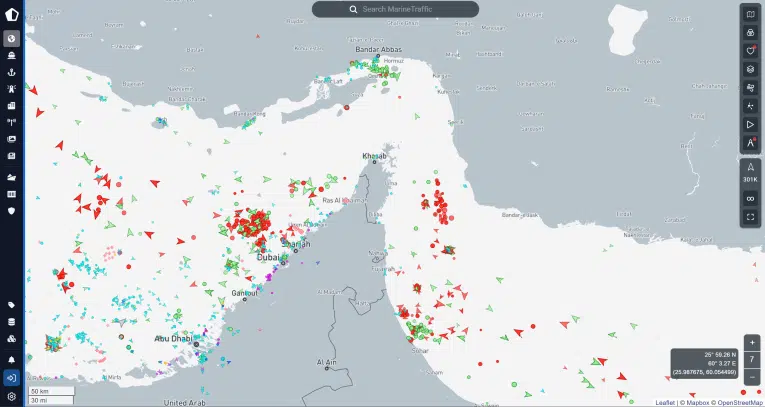

After a tense week of President Donald Trump calling on European allies to condemn Iran’s attacks on shipping vessels passing through the Strait of Hormuz and asking them for help to secure the strait, six U.S. allies released a statement Thursday strongly condemning Iran’s actions.
In the March 19 statement the leaders of six ally nations — the United Kingdom, France, Germany, Italy, the Netherlands, Japan and Canada — condemned Iran’s attack on vessels passing through the Strait.
“We condemn in the strongest terms recent attacks by Iran on unarmed commercial vessels in the Gulf, attacks on civilian infrastructure including oil and gas installations, and the de facto closure of the Strait of Hormuz by Iranian forces”, the statement reads. “We call on Iran to cease immediately its threats, laying of mines, drone and missile attacks and other attempts to block the Strait to commercial shipping,” the leaders wrote.
While the six nations stopped short of specifically committing to military action yet, they did state their readiness to contribute to “appropriate efforts” to reopening the Strait. “We express our readiness to contribute to appropriate efforts to ensure safe passage through the Strait. We welcome the commitment of nations who are engaging in preparatory planning.”
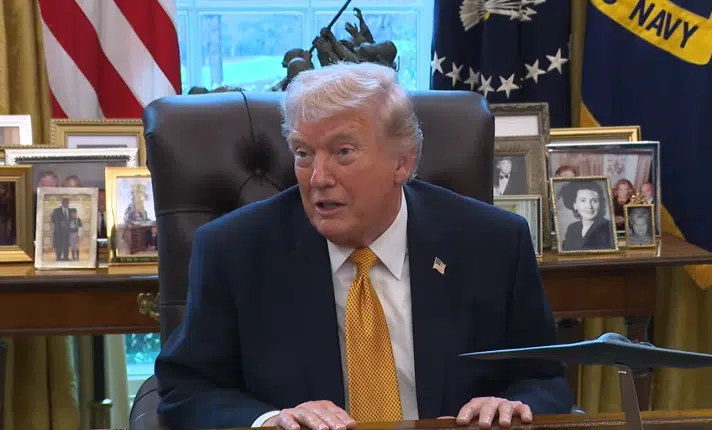
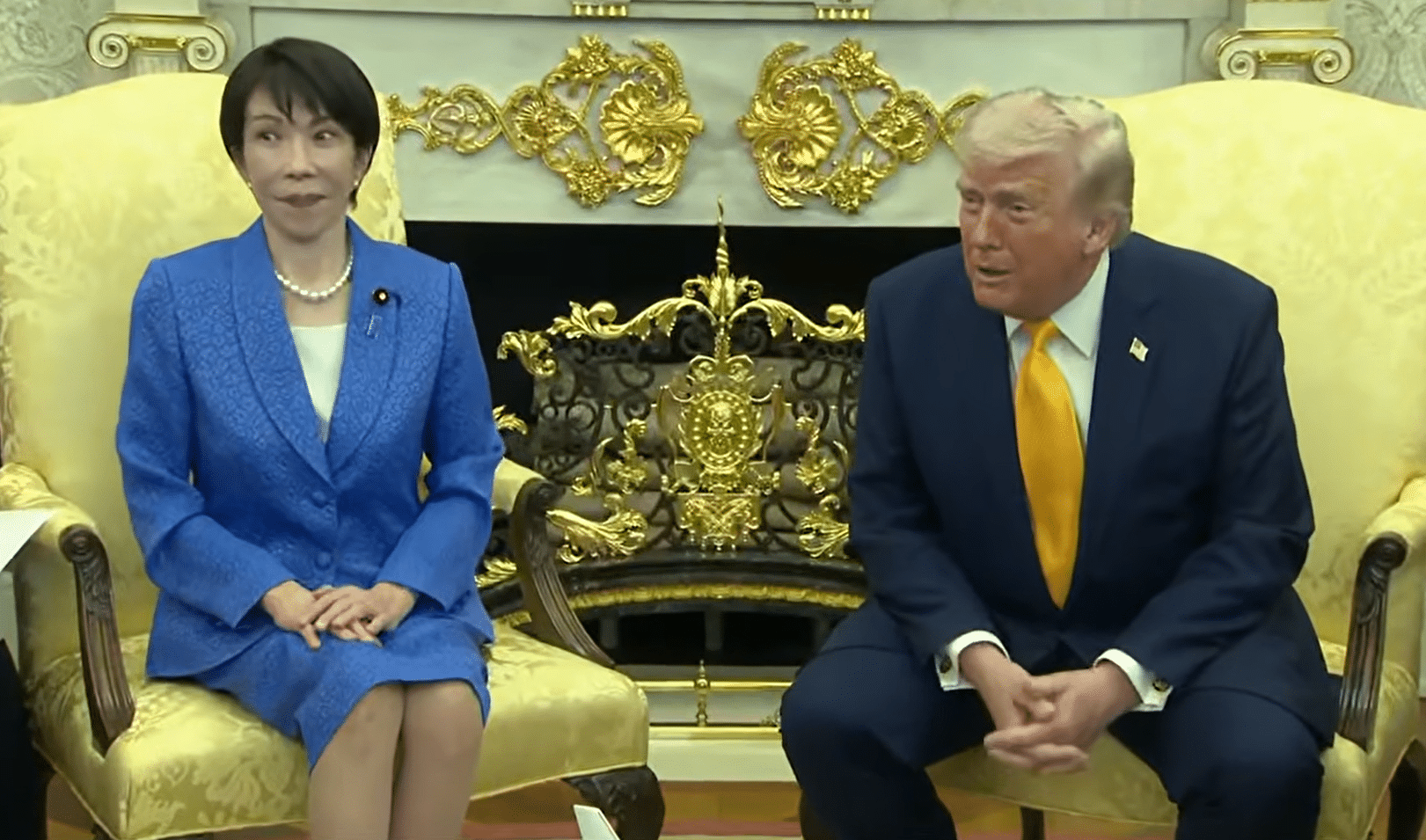
Japanese Prime Minister Takaichi Sanae went a step further, visiting President Trump in the Oval Office Thursday and pledging support for reopening the strait. Prime Minister Sanae told President Trump during the visit, “Only you … can achieve peace across the world”. She stated that Iran must be stopped from developing nuclear weapons, and she committed to working with partners to reopen the strait. “I am ready to reach out to many of the partners in the international community to reach our objectives together”, Prime Minister Sanae said.
The attacks on shipping vessels, including oil tankers, passing from the Persian Gulf through the Strait of Hormuz to the Gulf of Oman began after President Donald Trump launched a preemptive attack on Iran on Feb. 28, and Iran immediately retaliated by attacking oil tankers. This response has brought close to 20 percent of the world’s oil supply to a halt. The result is a massive spike in oil prices, with crude oil trading at over $94 a barrel as of this writing.
The condemnation of Iran’s attacks on commercial shipping vessels passing through the Strait by U.S. allies represents an important step toward working with President Trump to reopen the Strait, allowing vessels to pass safely through, and unlocking the bottleneck of oil that has been unable to be traded since the conflict with Iran began.
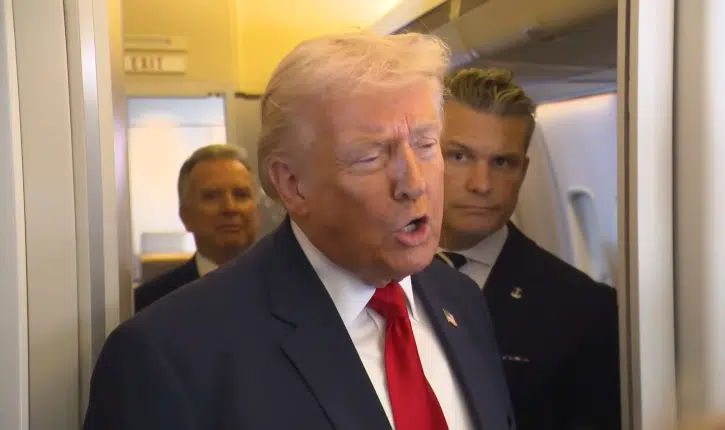
The strongly worded condemnation of Iran’s actions from U.S allies is a victory for President Trump, who has been urging allies to step in and help reopen the Strait all week.
President Trump even called out NATO countries in an interview with the Financial Times on Sunday, saying “it will be very bad for the future of NATO” if European nations do not join the U.S. in safely opening the Strait of Hormuz.
Initially, several countries had balked at President Trump’s request for assistance to reopen the Strait earlier in the week. Statements from the U.K., France, and Germany earlier in the week showed less support for helping President Trump reopen the strait.
On Monday, a spokesman for German Chancellor Friedrich Merz said, “This war has nothing to do with NATO. It is not NATO’s war. Participation has not been considered before the war and is not being considered now.”
The same day, Prime Minister Sir Keir Starmer said talks to create a “viable plan” for the strait were ongoing but that the U.K. had not reached a decision on how to proceed according to the BBC.
French President Emmanuel Macron said on Tuesday that it was out of the question for France to take part in “operations to open or liberate the Strait of Hormuz”. However, Macron left the door open for securing maritime traffic once the situation is “calmer”.
The turnaround with European allies is a positive sign, but it is more symbolic unless they commit to helping safely reopen the strait.
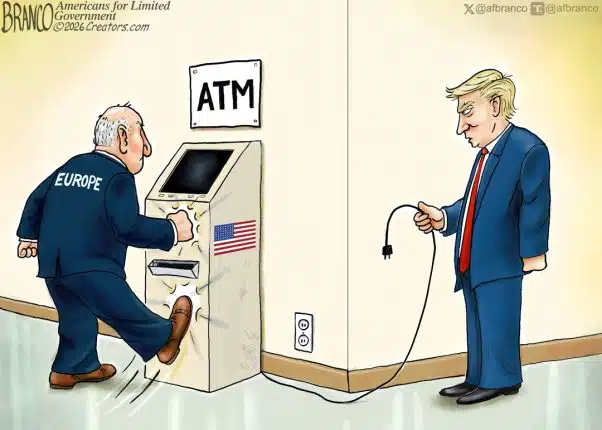
It is worth noting how much American taxpayers contribute to the defense European countries and Canada through our oversized investment in NATO. The BBC reported in February of this year that the U.S. pays a full 62 percent of NATO’s budget, which came to $980bn last year.
What is more, the Strait of Hormuz operating at minimal capacity is causing oil prices to spike around the globe, something NATO allies should be committed to fixing as fast as possible.
President Trump has long been critical of NATO countries who shirk their financial responsibilities while the United States carries the bulk of the cost to protect them.
While it is a step forward that six U.S. allies are condemning Iran’s attacks on commercial shipping vessels, if these countries end up faltering when asked for help to safely reopen the Strait, it could jeopardize their relationship with the U.S. President Trump has achieved a substantial turnaround in gaining support from six allies and a condemnation of Iran’s actions in the Strait. Now, it will he up to those allies to work with President Trump toward safely reopening the Strait of Hormuz.
Manzanita Miller is the senior political analyst at Americans for Limited Government Foundation.