
Wars are not cheap, and neither are oil shocks, as can be instantly seen in consumer prices that jumped 0.9 percent in March alone, or at a 3.3 percent rate the last 12 months, according to the latest data compiled by the U.S. Bureau of Labor Statistics.
That is up from 0.2 percent or 2.4 percent over the prior 12 months in February before the U.S. and Israel began its offensive against Iran on Feb. 28.
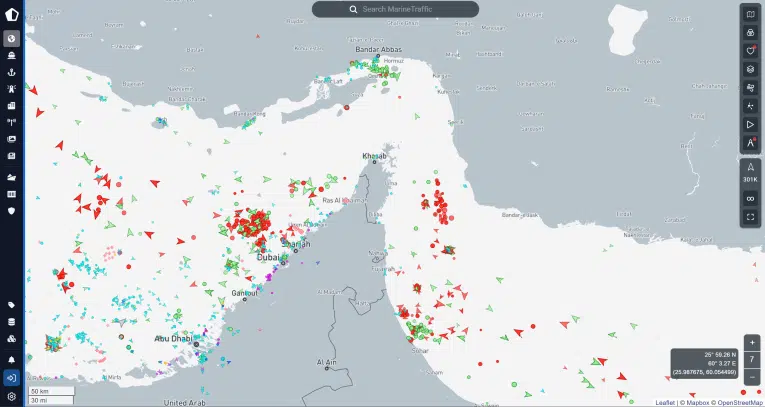
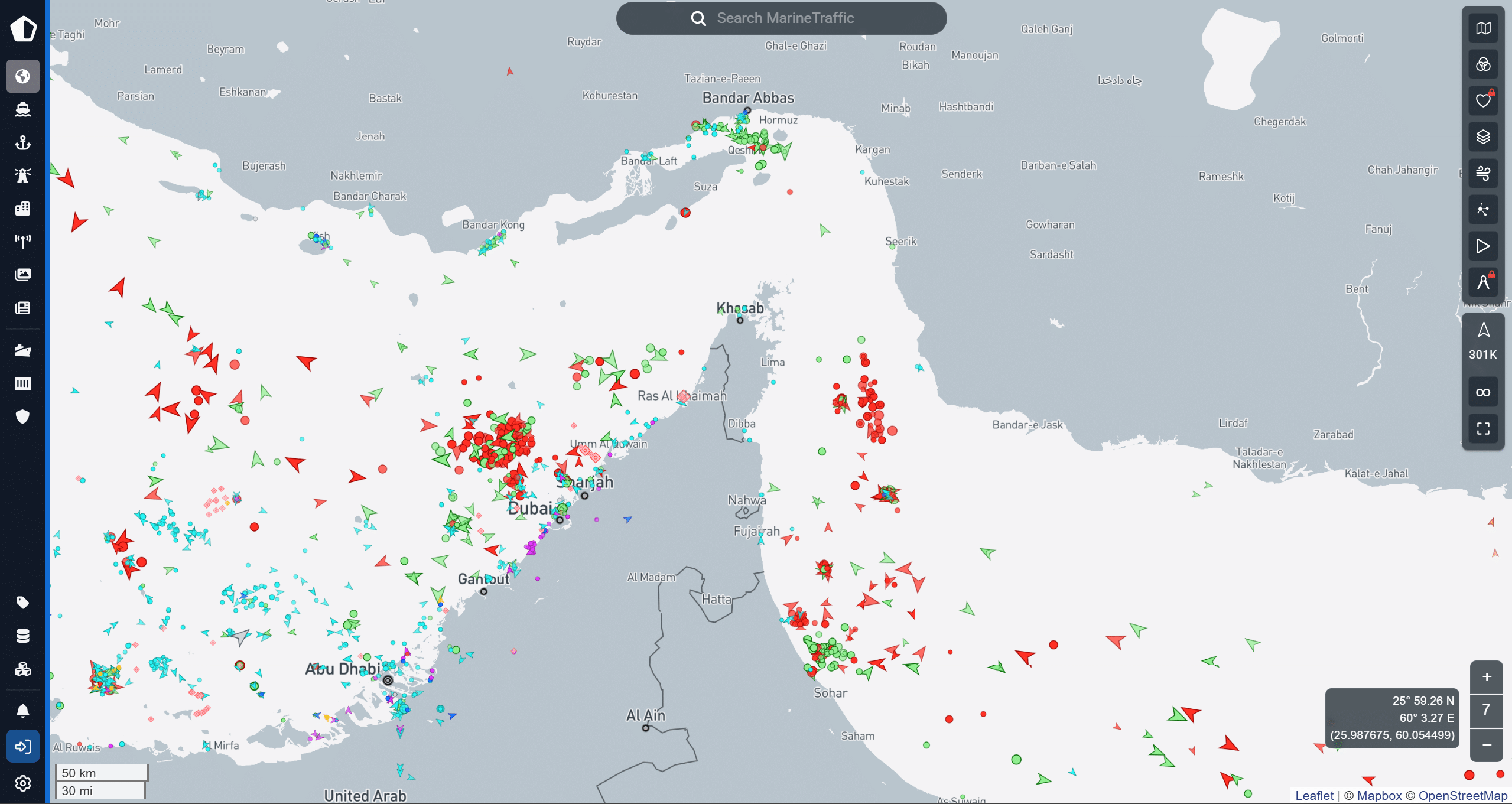
It is of course led by the dramatic increase in oil prices that have come since the conflict began, with oil now about $97 a barrel as the U.S. negotiates with Iran to reopen the Strait of Hormuz amid a temporary, two-week ceasefire. Those price spikes led directly to price increases, with gasoline advancing 21.3 percent and fuel oil at 30.7 percent in March.
The silver lining — for the moment — is that other items were muted: Food prices were at 0 percent, with food at home decreased 0.2 percent and food away from home increasing 0.2 percent; used cars were down 0.4 percent; and medical care commodities were down 1 percent.
Overall, items less food and energy were only up 0.2 percent, and have advanced 2.6 percent the last 12 months, roughly where it was a month ago at 0.2 percent for the month and 2.5 percent over 12 months.
But just as with the jump in oil prices, that all comes out of household budgets. Since 2023, average weekly earnings have been outpacing consumer inflation, but in March, that was seriously tested, with earnings only up 3.5 percent over 12 months, compared to consumer inflation at 3.3 percent.
These movements in inflation and earnings in March moved when break-even on the inflation that began in 2021 would be felt, from December 2026 to February 2027 to now October 2027. Just think of that: 8 months towards financial well being for all Americans was lost in a single month. By then, the presidential primary will be getting fully underway.
But, really, it’s worse than that, the oil shock has not fully registered into consumer prices just yet. We know that because since the middle of February, gasoline prices are up about 48 percent to their latest level of $4.12 a gallon. They have another 25 percent or so to move when the April average is compiled, which when it does, will eat several more months into the break-even point from the inflation of 2021-2023.
It also runs the risk that inflation could once again start outpacing incomes, which almost every time it has done so in a sustained basis in modern history, the White House incumbent party lost the election that followed: 1976, 1980, 1992, 2008 and 2024.
Every single one of those episodes included oil shocks caused by the Arab oil embargo, the Iranian Revolution, the Gulf War, the Iraq War and the Ukraine War, respectively. Inflation is a majority killer. It unseats presidents, especially unpopular ones. Almost none are immune. For President Trump, who is already term-limited, this appears to matter less, and has already said he will see the war through to its conclusion.
That makes the current ceasefire and push to reopen the Strait of Hormuz certainly welcome in a short-term political sense for Republicans hoping to retain majorities in the 2026 Congressional midterms, and the White House in 2028, while underscoring the difficulty in dealing with unstable oil-rich nations abroad that can impact the global economy almost immediately.
Meaning, when you get an oil shock, it needs to be dealt with swiftly, or else economically and eventually politically, it will exact its toll. In the short-term, that means getting the strait open as soon as possible — one way or another.
Robert Romano is the Executive Director of Americans for Limited Government Foundation.