
During the height of the U.S. conflict with Iran and the ensuing rise in fuel prices due to the closure of the Strait of Hormuz, Democrats opened up a lead of over seven percentage points in generic congressional ballot surveys. That lead is evaporating as peace negotiations continue, maritime traffic resumes through the Strait of Hormuz, and fuel prices plummet.
In mid-May, prior to the United States’ Memorandum of Understanding with Iran which paused the conflict, congressional Democrats had eked out a 7.7 percentage point lead in the generic congressional ballot according to Real Clear Polling. That lead has dropped to 5.6 percentage points over the past month and a half.
In Economist/YouGov surveys, the drop has been more significant. Comparing the Economist/YouGov poll from March 27-30 to the survey released June 30, Democrats have dropped from a six-percentage-point lead (39 percent to 33 percent) to a two-point lead (37 percent to 35 percent). Among swing voters, the declines have been significant.
This decline in Democrats’ generic congressional ballot lead coincides with plummeting fuel prices, with crude oil plummeting from as high as $108 dollars a barrel in mid-May to around $70 as of this writing.
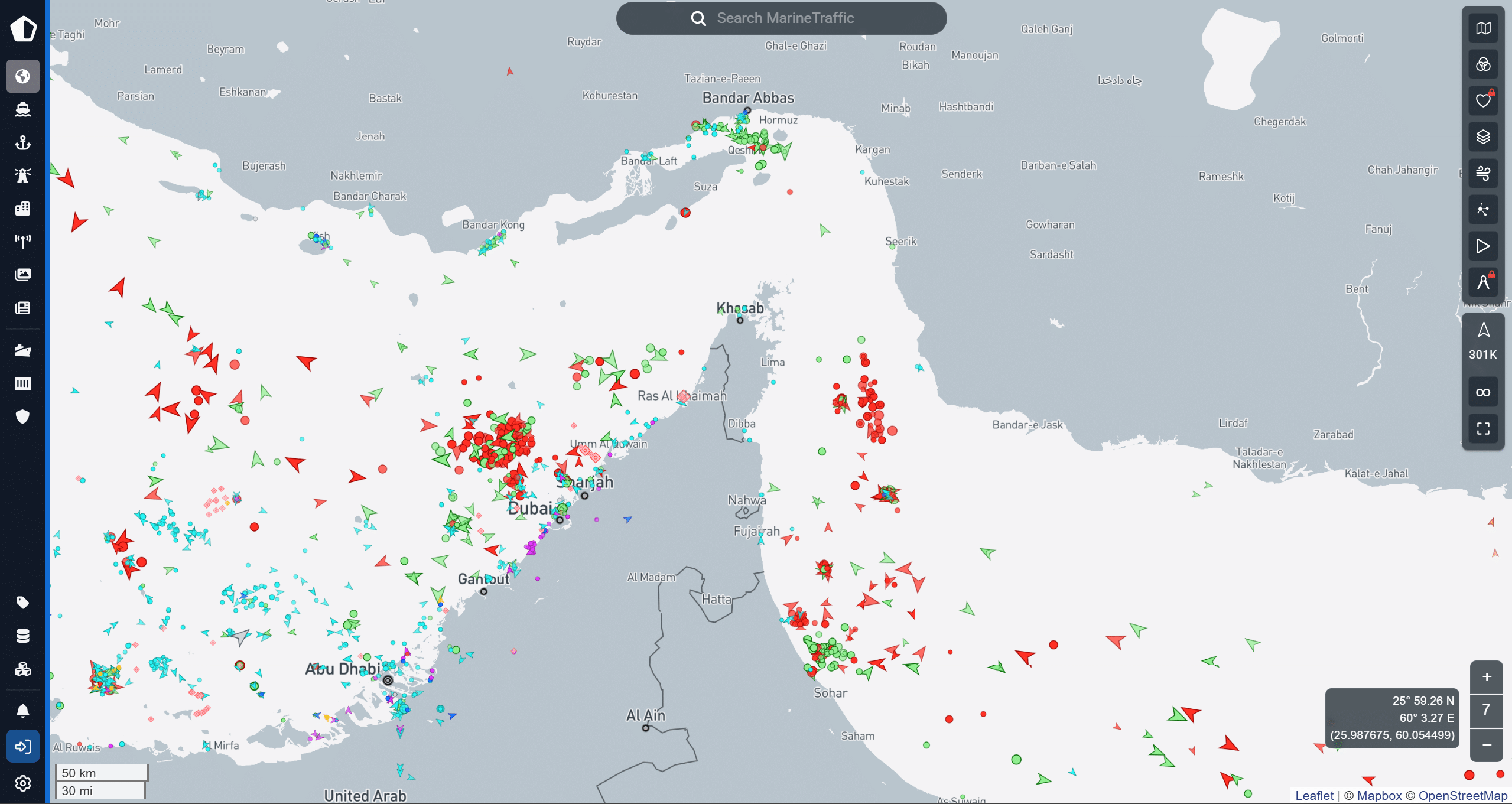
Maritime traffic through the Strait of Hormuz has not returned to normal entirely, but MarineTraffic, an independent group that monitors vessels reported Monday on X that three carrier vessels moved from the Strait of Hormuz into the Persian Gulf over the weekend, marking a rise in traffic since the Strait’s traffic declined significantly in March.
The U.S. and Iran are holding negotiations in Qatar this week, with a U.S. official telling the New York Times Tuesday that U.S. special envoys Steve Witkoff and Jared Kushner will meet with Prime Minister Sheikh Mohammed bin Abdulrahman al-Thani. According to the U.S. official, U.S. and Iranian diplomats are holding separate talks with diplomats from Qatar and Pakistan on Wednesday.
President Donald Trump’s decision to pause the conflict with Iran to enter a period of negotiation and demand that the Strait of Hormuz be reopened has increased his approval rating and reduced Democrats’ lead in the generic congressional ballot.
President Trump’s approval rating has inched up by three percentage points in the latest Economist/YouGov survey, going from 35 percent in late March to 38 percent at the end of June.
Polls continue to show the GOP closing in on Democrats in the generic congressional ballot, with Democrats lead shrinking from a six-percentage-point lead (39 percent to 33 percent) to a two-point lead (37 percent to 35 percent) since late March.
The survey reveals key groups of swing voters are less interested in voting for a Democrat for Congress now than they were in late March.
Democrats’ lead among women has declined by five percentage points. In the latest survey, Democrats hold a twelve-point lead on the generic congressional ballot among women, with 42 percent of women planning to support a Democrat for Congress while 30 percent plan to support a Republican.
In the late March survey, Democrats led among women by sixteen percentage points, 43 percent to 27 percent.
Another swing has occurred among independent voters, with Democrats thirteen-point lead over Republicans in late March shrinking to a nine-point lead in late June. In March, independents planned to support a Democrat for Congress by thirteen percentage points, 28 percent to fifteen percent. In late June, 26 percent of independents plan to vote Democrat while seventeen percent plan to vote Republican.
While Democrats’ lead among Latinos has only contracted by two percentage points since late March, that lead is historically meager compared to the lead Democrats rely on in midterm cycles.
Democrats currently hold a narrow six percentage point lead among Latinos, with 38 percent planning to support a Democrat while 32 percent plan to support a Republican. In March, Democrats held an eight-point lead, 42 percent to 34 percent.
That six-to-eight-point lead among Latinos is deeply concerning for Democrats compared to past election cycles. Four years ago, Democrats won Latinos by 21 points, 60 percent to 39 percent. Now, the raw percentage of Latinos planning to vote Democrat has dropped by 22 percentage points, and Democrats lead has shrunk by two-thirds, dropping from a 21-point lead to a six-point lead.
Democrats are also earning historically meager margins with young voters. In the latest Economist/YouGov survey, Democrats lead among young voters by eighteen percentage points, with 41 percent of young voters planning to support a Democrat while 23 percent plan to vote Republican.
Four years ago, Democrats won voters under 30 by 28 percentage points, 63 percent to 35 percent. Over four years, Democrats’ share of the youth vote has declined by 22 percentage points and Democrats’ lead has shrunk by ten percentage points.
While the outcome of the midterm election this year will be largely impacted by whether inflation and fuel prices are declining and whether the U.S.-Iran negotiations have resulted in an end to the conflict, polling shows swing voters are more open to supporting Republicans now than they were this spring. Historically, Democrats are facing significant declines in support from minorities and young voters that indicate even in a challenging election cycle for Republicans, Democrats are not bouncing back among swing voters.
Manzanita Miller is the senior political analyst at Americans for Limited Government Foundation.