07.14.2020

Two police officers were ambushed on a call this weekend in McAllen, Texas. Despite what the mainstream media wants you to believe, the community loves and respects the police. Hear the sadness of those from the Rio Grande Valley.
07.13.2020
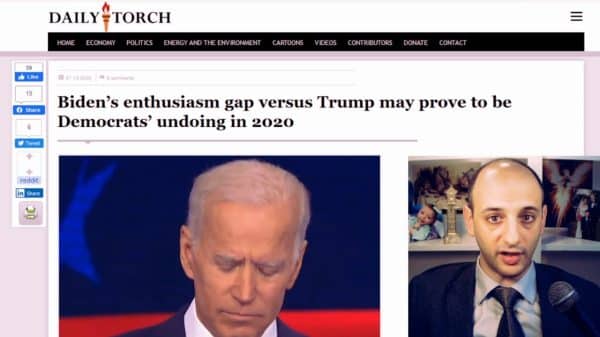
Biden’s enthusiasm gap versus Trump may prove to be Democrats’ undoing in 2020: http://dailytorch.com/2020/07/bidens-enthusiasm-gap-versus-trump-may-prove-to-be-democrats-undoing-in-2020/
President Donald Trump has two major advantages politically in 2020 presidential election over former Vice President Joe Biden: incumbency and enthusiasm. Since 1948, in 73 percent of the cases where the incumbent president had served one term, he was reelected. However, that number rises to 88 percent if one considers only cases of incumbent parties in their first term in the White House for reelection. On enthusiasm, in a June poll by Economist/YouGov, 68 percent of Trump supporters say they are enthusiastic about voting for him versus only 31 percent of Biden supporters who say they are enthusiastic. 49 percent of Biden voters say they merely satisfied but not enthusiastic, 15 percent say dissatisfied but not upset and 3 percent say they are upset. Whereas, with Trump, just 26 say they are satisfied but not enthusiastic, 5 percent say dissatisfied but not upset and 2 percent say they are upset. In the same poll, among Biden supporters, only 35 percent say they are voting for Biden, whereas 62 percent say they are voting against Trump. For Trump supporters, 81 percent say they are voting for Trump, and just 18 percent say they are voting against Biden. On those counts, so far, this election is Trump’s to lose. What do you think?
_
Americans for Limited Government: https://getliberty.org
Daily Torch: http://dailytorch.com
Facebook: https://facebook.com/AmericansForLimitedGovernment/
Twitter: https://twitter.com/LimitGovt and https://twitter.com/Daily_Torch
Parler: https://parler.com/profile/LimitGov
07.01.2020
After COVID-19, things will be very different for the US. A career options trader says there will be enormous differences on the stock market now. He believes the economy could get better. Hear why.
06.26.2020

https://www.subscribestar.com/americansforlimitedgovernment/subscribe
06.24.2020
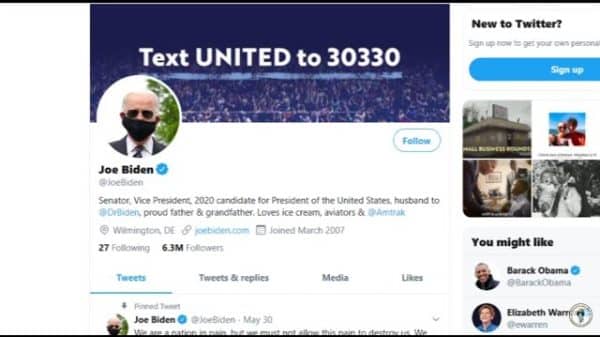
Gaffe-prone former VP turned candidate for President of the United States Joe Biden uses the topic of Trump’s Tweets as a political weapon. But look at the crazy things he says on his Twitter account. Is the mainstream media picking up on it? Nope. But Biden Watch is!
06.22.2020
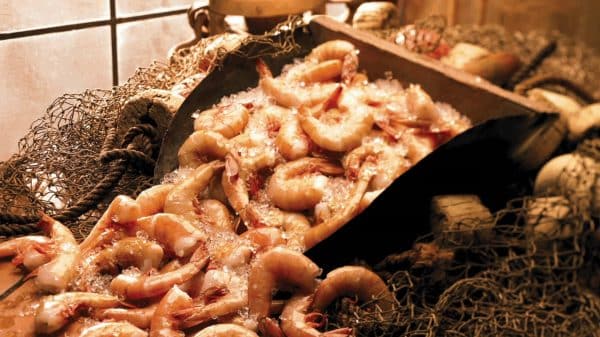
Mexican imported shrimp is growing as a product in America. Shrimpers in the Gulf of Mexico are asking the federal government to roll back its regulation. They need to compete.
06.18.2020
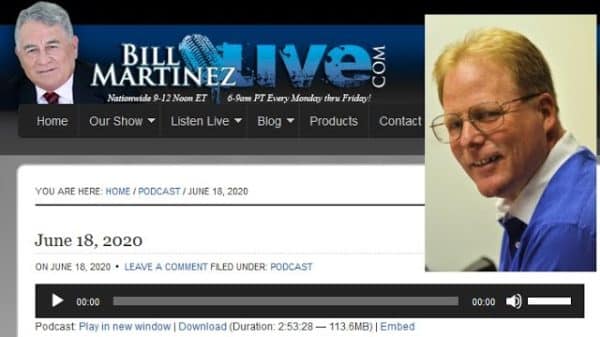
Rick Manning appeared on the Bill Martinez Show on June 18 to discuss the silent majority and what is needed to protect freedom in America for the next generation.
06.16.2020
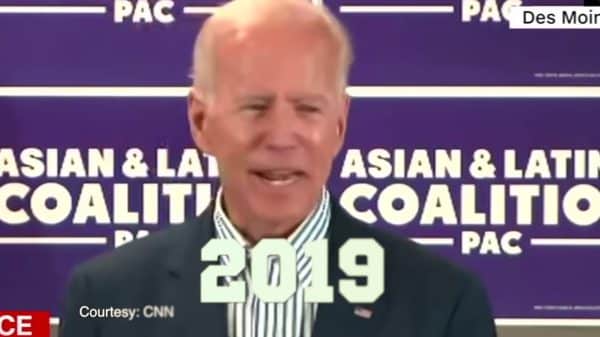
He is a blunder machine and he is the Democratic nominee for president. Joe Biden had a lifetime of gaffes and other things a Republican would be arrested for. We have a special look.
06.09.2020
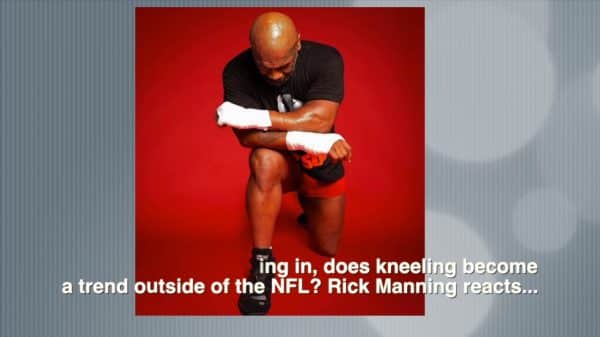
With all the talk of athletes kneeling before a sporting event coming back, ALG President Rick Manning reminds us what kneeling means. He says you must remember Americans do NOT kneel! Hear why.
06.06.2020
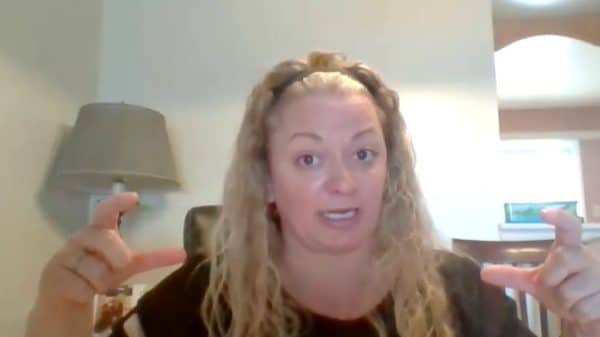
Maryland Realtor Jamie Gervasi was declared essential during the COVID-19 shutdown. She says business is still good. Hear what she has experienced in the turbulent year we have had.