
A fragile two-week ceasefire was reached by the U.S., Israel and Iran on April 7 in the lead up to President Donald Trump’s threat to destroy Iran’s power plants and other infrastructure, with Pakistan playing a key role in brokering the temporary agreement.
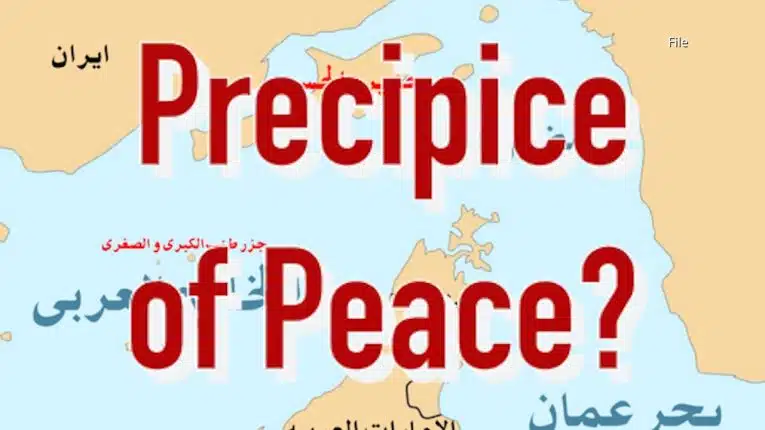
Under the deal, the U.S. and Israel would cease its offensive operations into Iran, and Iran would reopen the Strait of Hormuz, which has been largely closed for more than a month since the war began on Feb. 28.
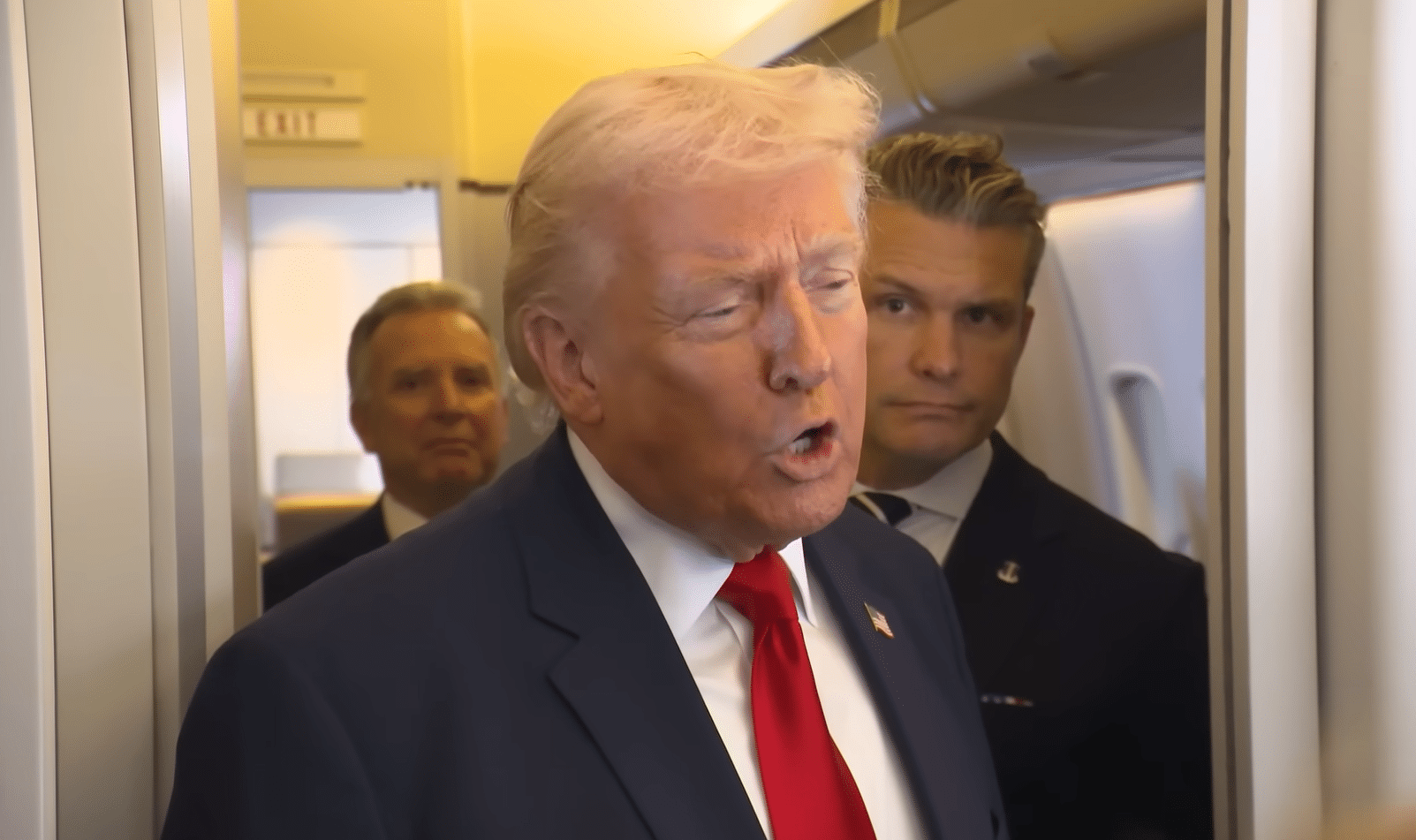
Describing the deal in separate posts on Truth Social, President Trump wrote on April 8 that there would be no more enrichment of uranium in Iran: “The United States will work closely with Iran, which we have determined has gone through what will be a very productive Regime Change! There will be no enrichment of Uranium, and the United States will, working with Iran, dig up and remove all of the deeply buried (B-2 Bombers) Nuclear ‘Dust.’ It is now, and has been, under very exacting Satellite Surveillance (Space Force!). Nothing has been touched from the date of attack. We are, and will be, talking Tariff and Sanctions relief with Iran. Many of the 15 points have already been… agreed to.”
And that the strait would be reopened: “A big day for World Peace! Iran wants it to happen, they’ve had enough! Likewise, so has everyone else! The United States of America will be helping with the traffic buildup in the Strait of Hormuz. There will be lots of positive action! Big money will be made. Iran can start the reconstruction process. We’ll be loading up with supplies of all kinds, and just “hangin’ around” in order to make sure that everything goes well. I feel confident that it will. Just like we are experiencing in the U.S., this could be the Golden Age of the Middle East!!!”
On April 7, Iranian Foreign Affairs Minister Seyed Abbas announced it acceptance of the ceasefire, stating in part, “For a period of two weeks, safe passage through the Strait of Hormuz will be possible via coordination with Iran’s Armed Forces and with due consideration of technical limitations.”
But by April 8, Iran announced the strait would remain closed as Israel continued offensive operations in Lebanon against the Iranian-sponsored terror group, Hezbollah, as the U.S. and Israel stated Lebanon was never included in the ceasefire in the first place.
In the meantime, the Iranian parliamentary speaker claimed the U.S. violated the ceasefire, citing Lebanon, a supposed drone incursion and the right to enrich uranium.
But has the ceasefire even started yet?
Earlier in the day on April 8, U.S. War Secretary Pete Hegseth said the ceasefire could take a little while to take hold but that once it did he was confident it would hold: “Iran would be wise to find a way to get the carrier pigeon to their troops out in remote locations, to know not to shoot, not to shoot any longer any one way attacks or missiles, because… it takes time sometimes for ceasefires to take hold. We’re watching it… We’re prepared, if necessary, but we… hope and believe that it will hold, yes.”
It sounds like the ceasefire is still getting started, as Hegseth noted. In any event, it has to take hold before it can be broken.
In the meantime, the marathon negotiations to end the war entirely are supposed to get underway in Pakistan beginning on April 11 led by Vice President J.D. Vance and U.S. special envoy Steve Witkoff and Jared Kushner.
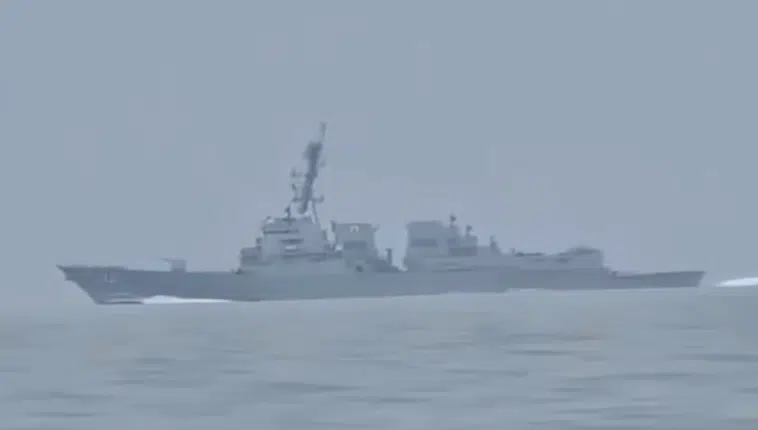
For now, the U.S. and Israel have ceased offensive operations in Iran. Come Saturday, a great question the President might be asking is whether the strait open yet? If not, maybe we’re back to Power Plant Day after all. Stay tuned.
Robert Romano is the Executive Director at Americans for Limited Government Foundation.